

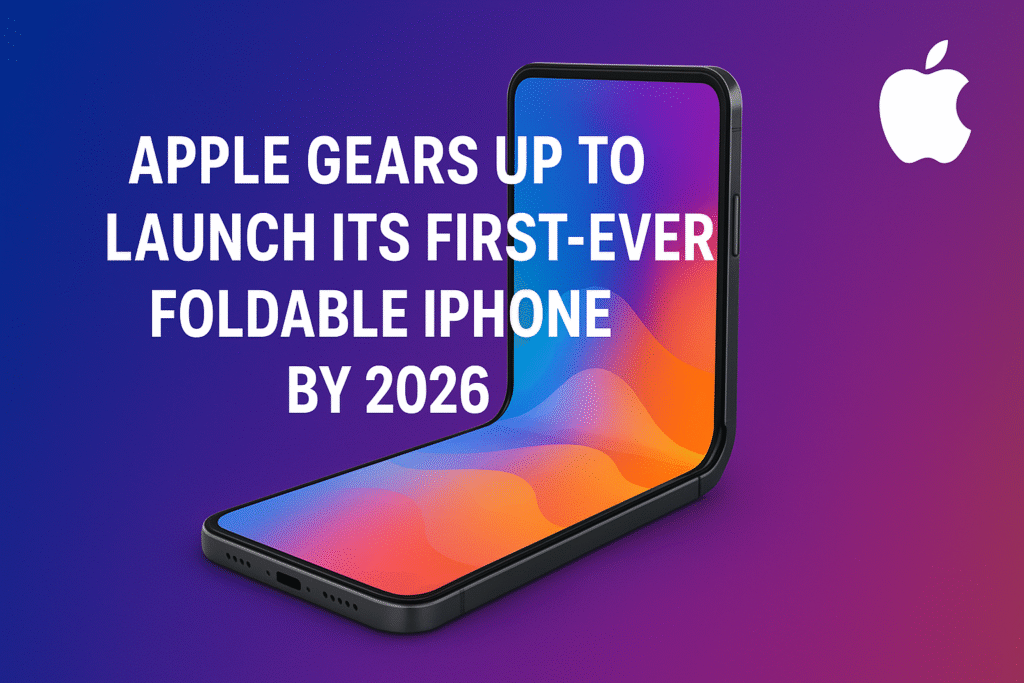
For more than a decade, Apple has shaped the smartphone market with its iPhone lineup. Each new launch has not just been an upgrade but a statement that influences the entire tech industry. Now, with foldable smartphones making waves, Apple is reportedly preparing to unveil its first-ever foldable iPhone by 2026. This could be a turning point in both Apple’s journey and the future of mobile technology.
In this detailed article, we’ll explore why Apple is entering the foldable market, what we can expect from the design and features, how it may compete with current foldable devices, and what this means for consumers worldwide.
The Evolution of Foldable Smartphones
Foldable smartphones are not entirely new. Brands like Samsung, Huawei, Oppo, and Motorola have already made significant progress with foldable devices. These smartphones typically use flexible OLED displays, allowing them to bend in half like a book or flip like a compact phone.
Samsung’s Galaxy Z Fold and Z Flip series have become benchmarks for the foldable industry, demonstrating both possibilities and challenges of the form factor. Despite their appeal, foldables are still considered niche due to their high prices and durability concerns.
Apple, on the other hand, has taken a wait-and-watch approach. Rather than rushing to release a foldable, Apple has focused on perfecting its core iPhone lineup and observing how the market evolves. With the company now rumored to launch its foldable iPhone in 2026, expectations are high that Apple will bring something refined and unique.
Why Is Apple Entering the Foldable Market Now?
Apple is known for its strategic timing. The company rarely enters a product category first but usually perfects it and sets a new standard once it does. Think of the iPod, iPhone, and Apple Watch — none of these were the first of their kind, but all became the defining versions in their categories.
Several reasons explain why 2026 could be the right time for Apple to launch a foldable iPhone:
- Mature Technology: By 2026, flexible display and hinge technologies will have advanced significantly. Apple will likely avoid the early durability issues seen in first-generation foldables.
- Consumer Readiness: Foldables are no longer just experimental gadgets. They are gaining traction, and by 2026, consumer demand for premium foldables will likely be stronger.
- Ecosystem Advantage: Apple thrives on ecosystem integration. A foldable iPhone could seamlessly connect with iPads, Macs, Apple Watch, and services like iCloud and Apple Arcade, making it more appealing than existing foldables.
- Competition: Apple cannot ignore the fact that Samsung and others are cementing their dominance in the foldable category. To stay ahead, Apple needs to join the race.
What Could the Foldable iPhone Look Like?
Though Apple has kept details under wraps, analysts and insiders have made some educated guesses based on patents and supply chain reports. Here are some possibilities:
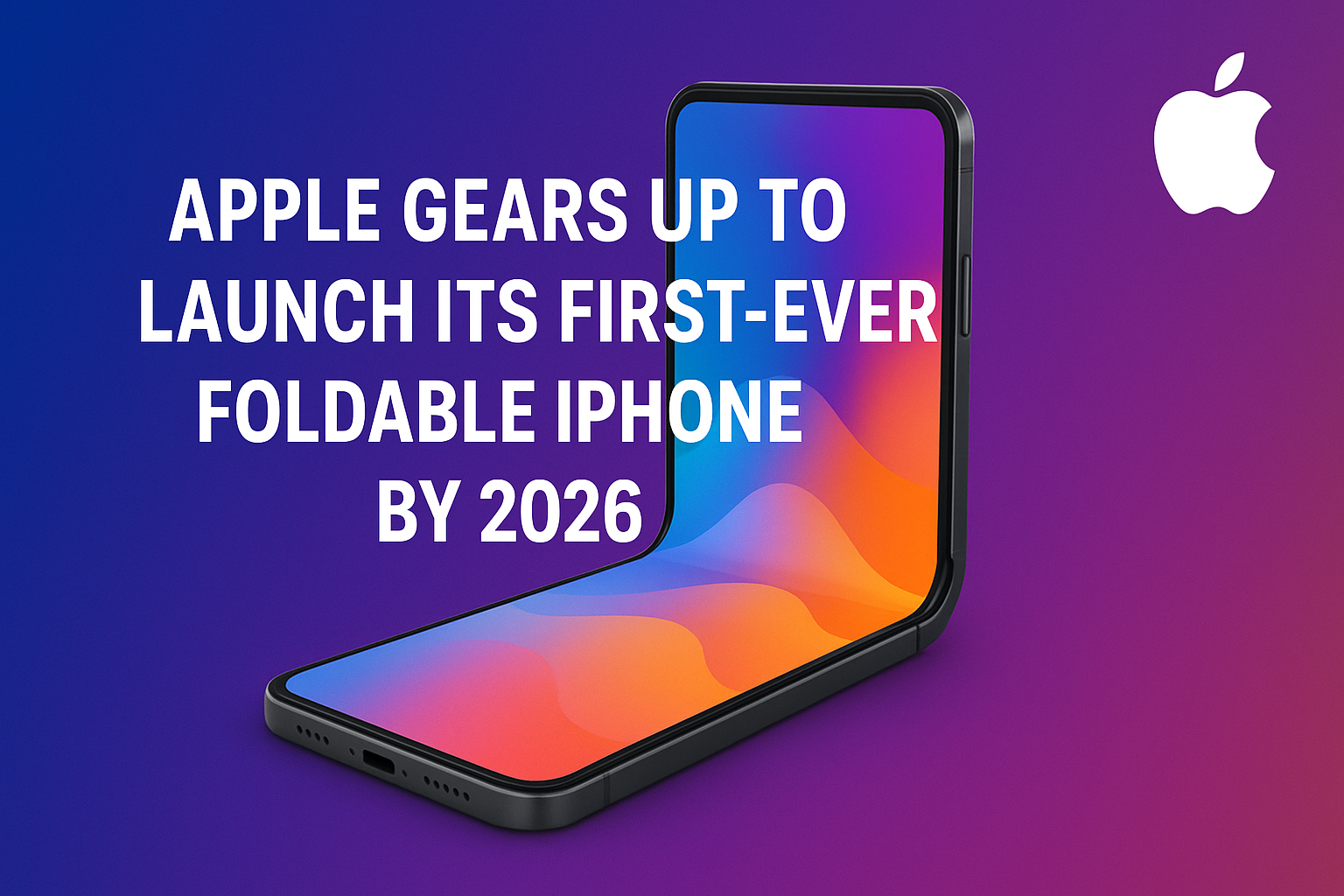
- Design Style: Apple might adopt either a book-style fold (like the Galaxy Z Fold) or a clamshell-style fold (like the Z Flip). Given Apple’s history of compact elegance, a clamshell design could be more likely for the first version.
- Display: A flexible OLED or micro-LED display is expected, possibly ranging from 6.8 to 8 inches when unfolded. Apple will likely push for the highest color accuracy, brightness, and durability.
- Hinge Mechanism: Apple may develop a nearly invisible hinge with minimal crease visibility, one of the biggest challenges in current foldables.
- Build Quality: Apple is known for premium materials such as ceramic shield glass, aerospace-grade aluminum, or titanium. The foldable iPhone will almost certainly uphold these standards.
- Software Experience: iOS will need enhancements to make use of a larger unfolded screen. Apple may introduce multitasking features, dynamic widgets, or split-screen functionality to fully utilize the foldable form factor.
Expected Features of the Foldable iPhone
While nothing is confirmed, here’s a realistic list of what consumers can expect:
- Advanced Camera System: Apple will likely equip the foldable iPhone with multiple high-end lenses, possibly rivaling the iPhone Pro models.
- Face ID & Touch ID Combo: Rumors suggest Apple may integrate both Face ID and under-display Touch ID for added convenience.
- High Refresh Rate Display: A ProMotion display with up to 120Hz refresh rate is expected for smooth animations.
- Battery Life Optimization: Foldables typically consume more power, so Apple may introduce advanced battery-saving features and larger dual-cell batteries.
- Apple Pencil Support: Some reports speculate support for a redesigned Apple Pencil tailored for foldables.
- Durability Enhancements: Reinforced glass, water resistance, and dust-proofing will be critical selling points.
How Much Could It Cost?
Pricing will be one of the most debated aspects of Apple’s foldable iPhone. Current foldables range between $1,000 and $2,000. Given Apple’s premium branding, the foldable iPhone could easily start at around $1,499–$1,999 depending on storage and features.
This pricing will put it firmly in the luxury segment, targeting enthusiasts, professionals, and loyal Apple users who seek innovation.
How Will It Compete with Existing Foldables?
Samsung, Huawei, and Motorola have years of experience in foldables by now. So, how can Apple stand out?
- Seamless iOS Integration: Apple’s ecosystem remains unmatched, which could give its foldable iPhone a unique advantage over Android foldables.
- Superior App Optimization: Developers prioritize iOS apps, meaning foldable-specific apps may run more smoothly on Apple’s device.
- Brand Loyalty: Apple enjoys one of the most loyal customer bases in the world. Many iPhone users who have resisted switching to Android foldables may finally upgrade once Apple launches its own.
Potential Challenges
Even with Apple’s expertise, launching a foldable iPhone won’t be easy. Some challenges include:
- Durability Concerns: Foldables are more fragile than standard smartphones. Apple will need to ensure its device meets expectations for everyday use.
- High Pricing: Not all Apple users will be willing to pay the premium for a foldable iPhone.
- Competition from Android Giants: Samsung and others already have a strong hold on the market, which Apple will need to disrupt.
The Bigger Picture
The foldable iPhone isn’t just about a new product — it could redefine Apple’s vision for the future. If successful, it might influence the design of iPads, MacBooks, and even wearable devices.
By 2026, foldable technology may no longer be a novelty but a mainstream standard, and Apple’s entry could accelerate this shift.
FAQs About Apple’s Foldable iPhone
Q1. When will Apple launch its first foldable iPhone?
Apple is expected to launch its foldable iPhone by 2026, though the company has not officially confirmed a date.
Q2. What design will the foldable iPhone have?
While not confirmed, Apple may go with either a clamshell (flip) design or a book-style fold. Patents suggest both possibilities.
Q3. How much will the foldable iPhone cost?
The foldable iPhone is expected to cost between $1,499 and $1,999, depending on features and storage.
Q4. Will the foldable iPhone be durable?
Durability has been a concern with foldables, but Apple is likely to use advanced hinge designs, reinforced glass, and water resistance to ensure reliability.
Q5. Will it support Apple Pencil?
Some reports suggest Apple may introduce compatibility with a new Apple Pencil for its foldable iPhone, though this has not been confirmed.
Q6. How will it differ from Samsung’s foldables?
The key difference will be seamless integration with Apple’s iOS ecosystem, superior app optimization, and Apple’s signature design language.
Q7. Is Apple late to the foldable market?
While Apple is not the first, its strategy is usually to perfect a product rather than rush it. This could work in its favor if the foldable iPhone sets new industry standards.