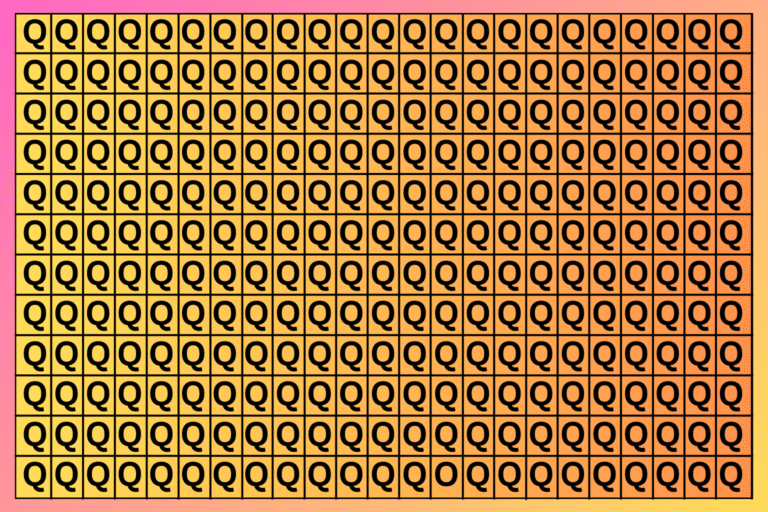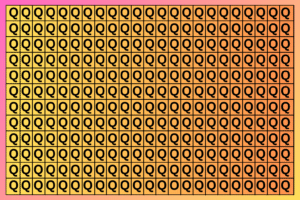



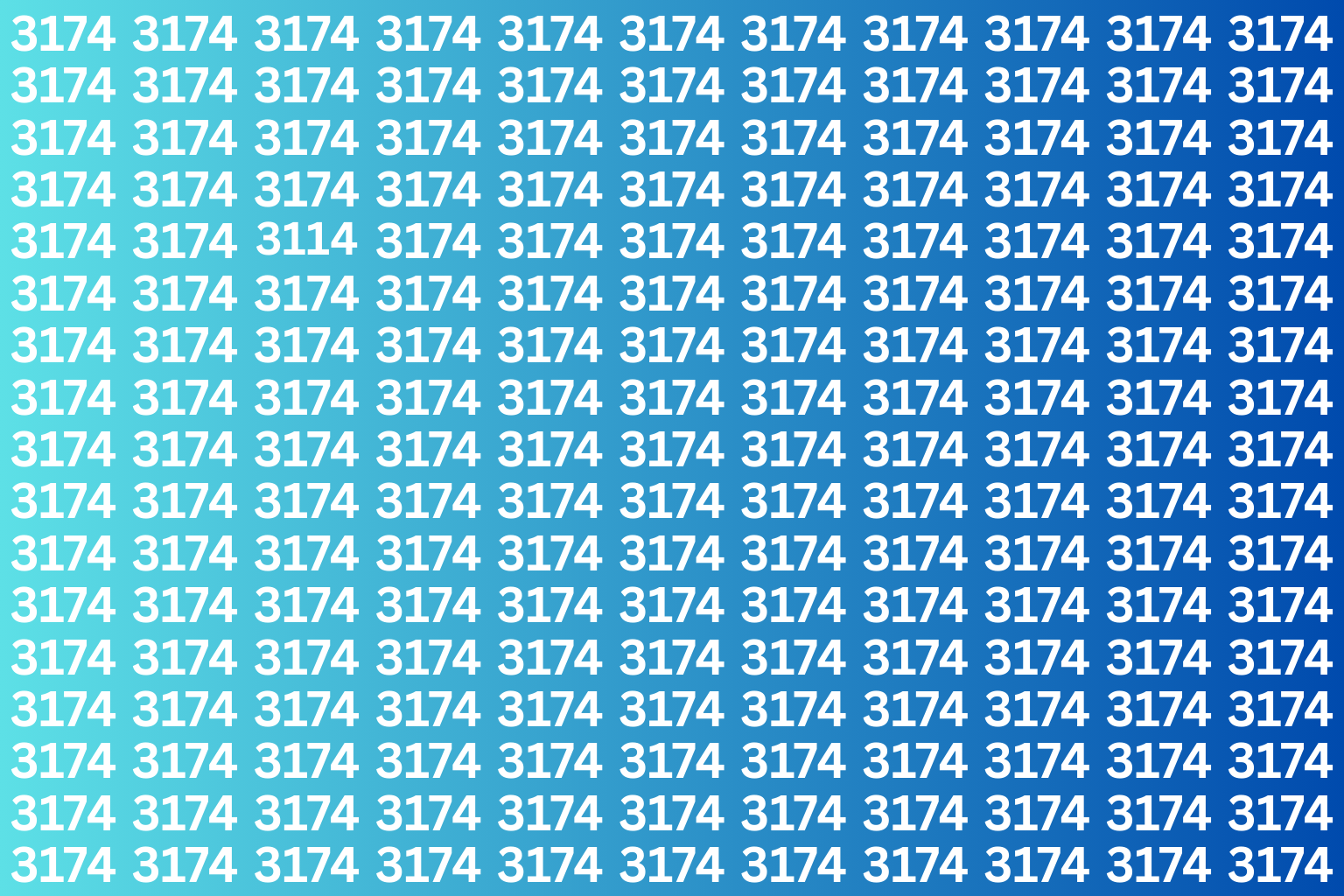
The internet is buzzing with visual puzzles that test the sharpness of our eyes and the speed of our brains. Among the most popular challenges are those where you must find one hidden element in a sea of similar-looking figures. Recently, a tricky yet entertaining challenge has been making waves: spotting the number 3114 hidden among a cluster of 3174s, and doing it in under 7 seconds.
At first glance, the puzzle seems straightforward—you just need to locate a different number. But when you look closer, the challenge becomes a true test of observation. With both numbers appearing nearly identical, your brain struggles to separate the odd one out. The question is: can you beat the clock and find it before the 7-second timer runs out?
Why This Challenge is So Addictive
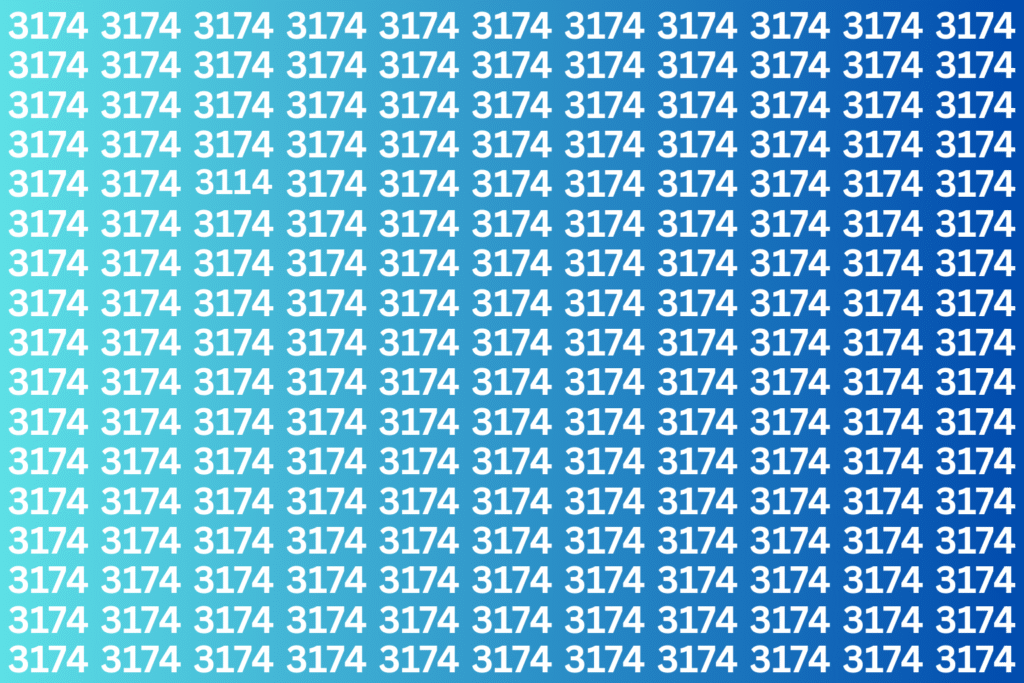
People love these kinds of challenges for one simple reason: they push our minds beyond casual looking. Unlike scrolling through social media or glancing at headlines, puzzles like these force you to pay attention to the smallest details.
Here’s why this challenge in particular is so captivating:
- Visual Similarity – The numbers 3174 and 3114 look very close. The difference is only in the middle digits (7 vs. 1), making it easy for the brain to overlook.
- Time Pressure – The 7-second deadline makes it more exciting. Without a timer, you could eventually find the answer, but with the clock ticking, your stress levels rise, and that’s when mistakes happen.
- Competitive Spirit – People love to compete with friends and family to see who can find the hidden number faster. This creates a fun, viral effect on social media.
- Brain Training – Beyond entertainment, these puzzles act as exercises for the brain, keeping observation and focus sharp.
The Science Behind Optical Illusions
Optical illusions and number challenges work because of the way our brain processes information. Instead of analyzing each number individually, our eyes scan the entire grid, and our brain groups similar shapes together.
When we see 3174 repeated so many times, the brain becomes accustomed to it and starts to ignore subtle differences. This is known as pattern recognition bias—our mind assumes everything is the same because the majority looks identical.
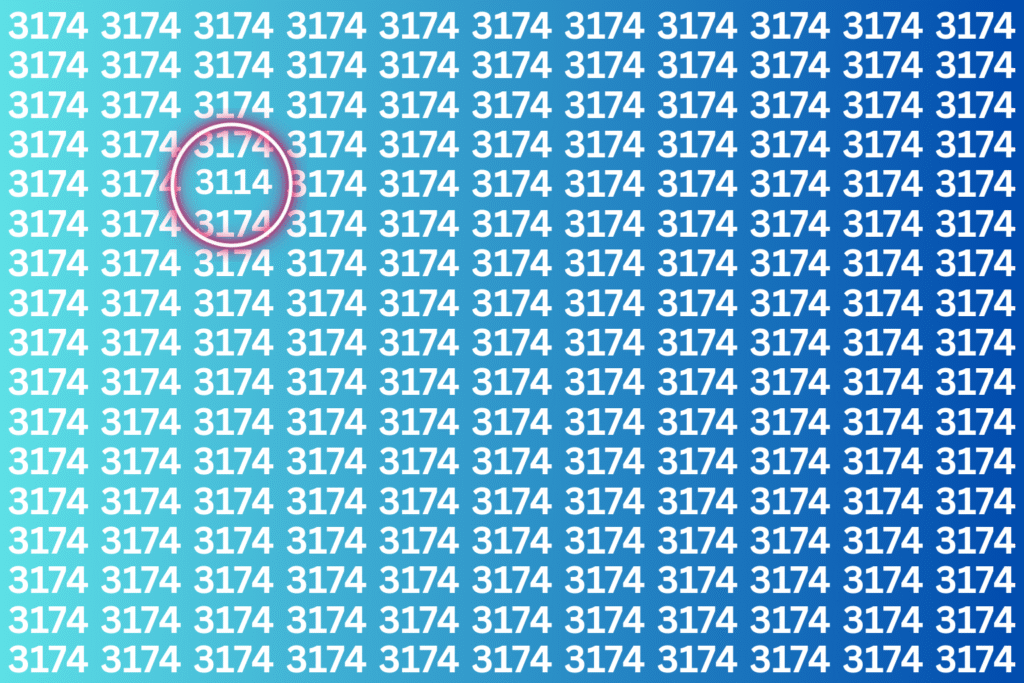
The trick lies in slowing down and training the eyes to spot anomalies—in this case, the number 3114. This ability to detect the odd one out is not only fun but also useful in daily life, especially in tasks requiring attention to detail.
The 7-Second Challenge
Why only 7 seconds? The idea is to make the game challenging and exciting. Without a time limit, anyone could eventually find the hidden number. But with only a few seconds, it transforms into a thrilling test of speed and accuracy.
Many people fail the first time because their eyes naturally glide over the numbers without noticing the difference. But once you train your brain to focus, spotting the 3114 among 3174s gets easier and faster.
Tips to Spot the Hidden Number Faster
If you’re struggling to beat the challenge, here are some simple strategies:
- Scan Digit by Digit – Instead of reading the whole number, check each digit carefully. Look at the second and third digits, since that’s where the difference lies.
- Divide the Grid into Sections – Break the image into smaller areas and focus on one section at a time instead of scanning the entire picture at once.
- Use Peripheral Vision – Surprisingly, sometimes looking slightly away from the grid helps your eyes catch differences in shape faster.
- Don’t Rush Too Much – While the clock is ticking, scanning too fast can make you overlook the obvious. Balance speed with focus.
Optical Illusion Challenge: Can You Spot the Hidden Number 3114 Among 3174s in Just 7 Seconds? – Answer
Why Do People Love These Number Illusions?
There’s a reason optical illusion challenges are everywhere online. Here’s why people keep coming back to them:
- Instant Entertainment: They don’t take long, making them perfect for a quick break.
- Shareable Fun: You can challenge friends and family, creating friendly competition.
- Sense of Achievement: Finding the hidden number within the time limit gives a rewarding dopamine boost.
- Brain Workout: It’s like exercise for your eyes and brain—improving focus, attention, and cognitive speed.
Benefits of Solving Optical Illusion Puzzles
- Improves Concentration – These puzzles force you to focus on details, boosting your concentration skills.
- Enhances Visual Memory – Regular practice can help you remember small differences in patterns more effectively.
- Stress Relief – Engaging in a short puzzle can help take your mind off daily stress.
- Sharpens Observation Skills – Whether in studies, work, or daily tasks, strong observation skills are invaluable.
- Boosts Problem-Solving Abilities – Spotting differences is a skill that translates into better analytical thinking.
Fun Variations of the Challenge
If you loved spotting 3114 among 3174s, there are many other similar puzzles you can try:
- Find the number 5 hidden among a sea of S’s.
- Spot the letter C among multiple G’s.
- Locate the hidden face emoji among dozens of animals.
- Discover a wrongly spelled word in a text full of correct spellings.
These variations not only keep the fun alive but also ensure your brain gets a different kind of workout each time.
FAQs on the 3114 vs. 3174 Challenge
1. Why is it hard to spot 3114 among 3174s?
The numbers look almost identical, with only a small difference in the middle digits. Our brain tends to ignore minor changes when surrounded by repetitive patterns.
2. How can I train myself to solve these puzzles faster?
Practice is key. Try breaking the grid into sections, focus on the unique digits, and avoid rushing too much. With time, your observation skills will improve.
3. Do optical illusions really help the brain?
Yes. While they won’t make you a genius overnight, they sharpen focus, observation, and cognitive processing speed.
4. Why is there a 7-second time limit?
The short time frame makes the challenge more exciting and competitive. It adds urgency, making the task harder but more engaging.
5. Can children benefit from these challenges?
Absolutely! They’re great for improving focus, patience, and attention to detail in kids, all while keeping the experience fun.